Daylight Saving Time (DST) is a long-standing practice used in several countries to maximize natural daylight during the warmer months. By shifting clocks forward in spring and back in autumn, people enjoy brighter evenings in summer and lighter mornings in winter. As DST approaches once again in 2026, millions of people across the United States and Europe will experience these seasonal time adjustments.
This guide explains when DST begins and ends in 2026, how the time change influences daily routines and health, and which countries continue to observe this annual tradition.
Table of Contents
What Daylight Saving Time Means in 2026
Daylight Saving Time involves moving clocks forward by one hour in spring – known as “spring forward” – which extends evening daylight. In autumn, clocks are set back by one hour “fall back” resulting in brighter mornings but earlier sunsets.
DST was originally introduced to conserve energy by reducing dependence on artificial lighting. Although its energy-saving benefits are debated today, many countries continue the practice because it supports more evening activities, outdoor recreation, and social events.
DST 2026 Overview
| Category | Details |
|---|---|
| Article | Daylight Saving Time (DST) 2026 |
| Country | USA |
| Year | 2026 |
| DST Start (USA) | March 8, 2026 – 2:00 a.m. |
| DST End (USA) | November 1, 2026 – 2:00 a.m. |
| Clock Change | +1 hour in spring, −1 hour in fall |
| Who Benefits | Residents in DST-observing areas |
| Category | Latest News |
| Official Website | https://www.time.gov/ |
Daylight Saving Time 2026 Schedule in the United States
The U.S. follows a consistent DST schedule each year. In 2026, the following changes will occur:
• DST begins Sunday, March 8, 2026, at 2:00 a.m.
Clocks move forward by one hour, and most people lose an hour of sleep.
• DST ends Sunday, November 1, 2026, at 2:00 a.m.
Clocks move back by one hour, giving Americans an extra hour of sleep.
How DST Affects Daily Life
Daylight Saving Time brings noticeable changes to daily routines. Longer daylight hours in the evening encourage people to:
• Spend more time outdoors
• Exercise after work
• Socialize more easily
• Complete errands with extra daylight
However, the one-hour time shift can temporarily disrupt sleep schedules, especially among children, older adults, and those with strict routines. It may take a few days for the body to adjust.
Health Impacts of Daylight Saving Time
DST particularly influences sleep patterns and overall energy levels. During the March transition, losing an hour of sleep can lead to:
• Daytime fatigue
• Difficulty falling asleep
• Reduced concentration
• Mood fluctuations
These effects occur because the circadian rhythm—the body’s internal clock—needs time to realign with the new schedule.
Countries That Observe Daylight Saving Time
Daylight Saving Time is not used worldwide. Its adoption depends on geographical location, daylight patterns, and government policy.
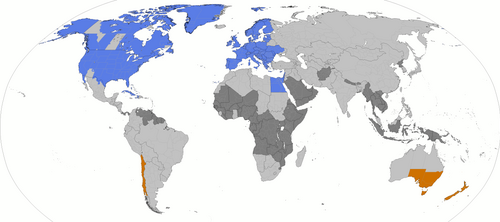
Regions that commonly observe DST include:
North America
• United States
• Canada
• Parts of Mexico
Europe
• United Kingdom
• Germany
• France
• Italy
• Spain
Oceania
• Select Australian states
• New Zealand
Many countries in Asia, Africa, and the Middle East do not observe DST because daylight hours remain relatively consistent year-round. Travelers should always check local time rules before visiting another country.
FAQs
When does DST start in the U.S. in 2026?
It begins on March 8, 2026, at 2:00 a.m.
When does DST end in 2026?
It ends on November 1, 2026, at 2:00 a.m., when clocks move back one hour.
Which countries follow Daylight Saving Time?
DST is observed in the U.S., Canada, many European countries, and parts of Australia and New Zealand.